
Profile
Paul Smith
One of the few British-based fashion designers to combine commercial success with critical credibility, Paul Smith (1946–) is renowned for his idiosyncratic take on traditional British styling — 'classics with a twist' — both in his fashion collections and his shops.
Paul Smith fell into fashion by accident. As a jobless 15 year-old who had left school with no qualifications, he was frogmarched by Harold Smith, his father, into a Nottingham clothing warehouse one day and forced to take a job there as an errand boy.
That was back in the 1960s. Smith, who once described himself as being ‘okay at design and okay at business but exceptional at neither’, has since become Britain's most consistently successful fashion designer whose products are sold in over 200 shops and through 500 wholesale customers in Japan alone, where his label out-sells every other European designer.
Born in Nottingham in 1946, Paul Smith remembered his family home a few miles outside the city centre as ‘always very comfortable... excellent mum, quirky dad, an always stable, good relationship’. When he left school at 15, his only ambition was to become a racing cyclist until his father hauled him off to the clothing warehouse. ‘When I look back I realise how influenced I was by Nottingham,’ wrote Smith years later. ‘I'd cycle around, there'd be the coal miners, Derby tweeds and the elegance of the country squires. My brother worked for the Post Office and wore that blue cotton drill GPO shirt.’
During his first two years at the warehouse, Smith had no real interest in his work there except for the cycle journey to and from his home. It was only after an accident ended his dreams of becoming a racing cyclist, that he flung himself into his job. ‘Just by chance I met a lot of people from the art college and became interested in things like art and fashion,’ he recalled. ‘Back at the warehouse I started to make displays in the showroom... The boss was really impressed and he gave me all the buying to do for the menswear when I was still only 17.’
When a friend from art college decided to open a fashion boutique in Nottingham, Smith found the premises, decorated them and ran the shop as its manager. By 1970, encouraged by his girlfriend Pauline Denyer, he felt ready to go it alone by ploughing his £600 savings into Paul Smith Vêtement Pour Homme on Byard Lane, a shabby back alley. The rent was 50p a week: just as well given that the first week's takings came to £52. Open only on Fridays and Saturdays, the shop was scented with Christian Dior Eau Sauvage to overpower the smell of Smith's Afghan hound. During the rest of the week, Smith made ends meet from freelance jobs as a window dresser, tailor and stylist. In the evenings, he signed up for a fashion design course.
The only shop outside London to sell labels like Kenzo and Margaret Howell, Paul Smith Vêtement also started selling the pieces that Smith designed himself and had made by local manufacturers. Then, as now, his clothes were inspired by the traditional British menswear he admired: everything from his brother's Post Office shirts and the tweeds of the Nottinghamshire county set, to the imported US jeans and bespoke suits in unusual blues or greens that he wore himself. ‘The hardest thing was justifying the name 'designer' for myself when I only made such simple clothes. I ended up designing clothes that I wanted to wear myself and felt good in. Well-made, good quality, simple cut, interesting fabric, easy to wear. No-bullshit clothing.’
By 1974, the shop had outgrown its back alley and Smith moved to bigger premises on the main street. Two years later, he showed his collection in Paris for the first time and searched for a London shop, finally finding it in a tiny bakery in the then run-down Covent Garden. ‘The area was completely empty at the time — there was just the Tube and a fruit shop. It took me six months to find out who owned it; it turned out to be a retired baker... I asked if he would sell it and he said he would for about £30,000. I went to Barclays (Bank) in Nottingham and asked if they would lend me £5,000 or £10,000, but the manager didn't like the fact that I had long hair and a red scarf, and wouldn't lend me anything. Then I went to the Yorkshire Bank in Nottingham and they lent me £10,000. My tailor lent me £10,000 and then I went to the baker and said that I only had £20,000... I think he lent me some and I got it for around £25,000 in the end.’
Having bought the shop, Smith didn't have enough cash to do it up. Three years later he did and the tatty old bakery fittings were stripped out and the shop spruced up into a stark, elegant Le Corbusier-inspired style. As well as clothes, Smith sold quirky penknives, notebooks and pens that he picked up on his travels. His most inspired 'find' was the Filofax, a leatherbound personal organiser he unearthed at Norman & Hill, a tiny company hidden under an East London railway arch.
When the neighbouring shop came up for sale, Smith bought it. As he ‘didn't have the heart’ to rip out the lovely old wooden fittings, he patched them up instead. The extra space was used to sell more idiosyncratic things — old Beano annuals, first-edition books and, after he began travelling to Japan in 1982, comical Japanese toys and gadgets — alongside Smith's clothes. He filled the windows with furniture by designer friends like Tom Dixon and James Dyson's G-Force vacuum cleaner. As a young designer, Marc Newson stopped by to show Smith a watch in the hope of persuading him to sell it. ‘Paul said: ‘It's a nice watch, but it's not a nice price’', recalled Newson. ‘He was right. It was too expensive. That was an important lesson for me.’
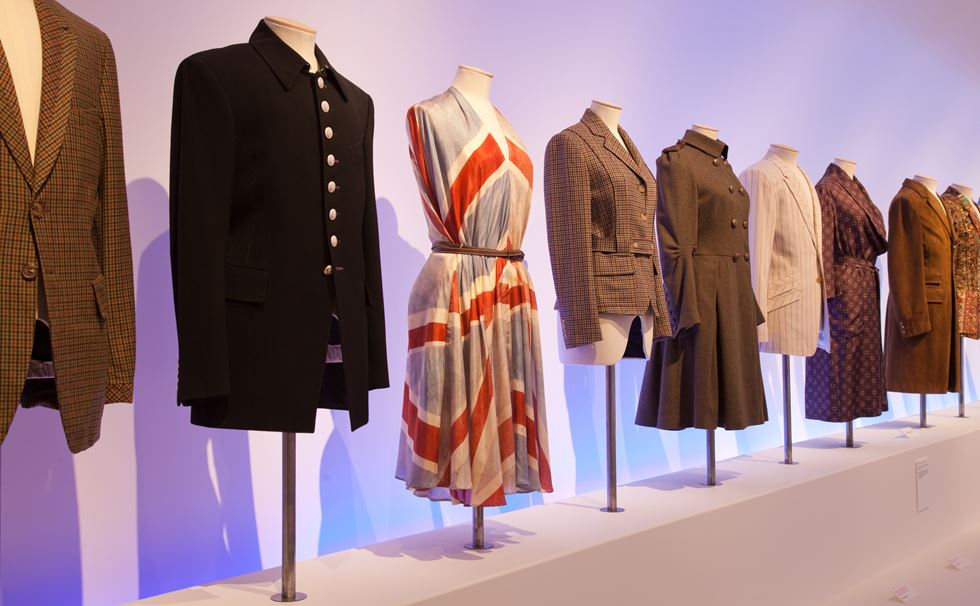
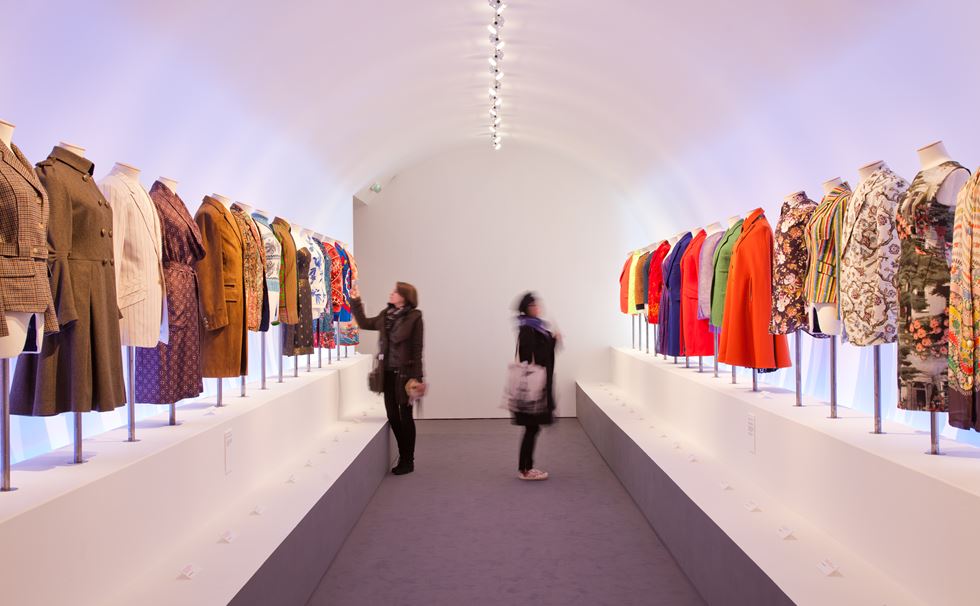
By then, Smith has coined a phrase to describe his style, 'classic with a twist'. ‘I take ingredients from upper-class tailoring, hand-made suits and so on, and bring them together with something silly,’ he explained. ‘So I might bring together a beautiful suit with a denim short. Or use floral prints inspired by old-fashion seed packets for men's shirts, or line tailored jackets with flamboyantly coloured silks, or ask a factory which specialises in V-necked school sweaters to knit them in crazy colours.’
‘It is as though he possesses some inner equivalent of the Houndsditch Clothes Exchange — not a museum, but a vast, endlessly recombinant jumble sale in which all the artefacts of his nation and culture constantly engage in a mutual exchange of code,’ wrote the US novelist William Gibson of the Paul Smith style.
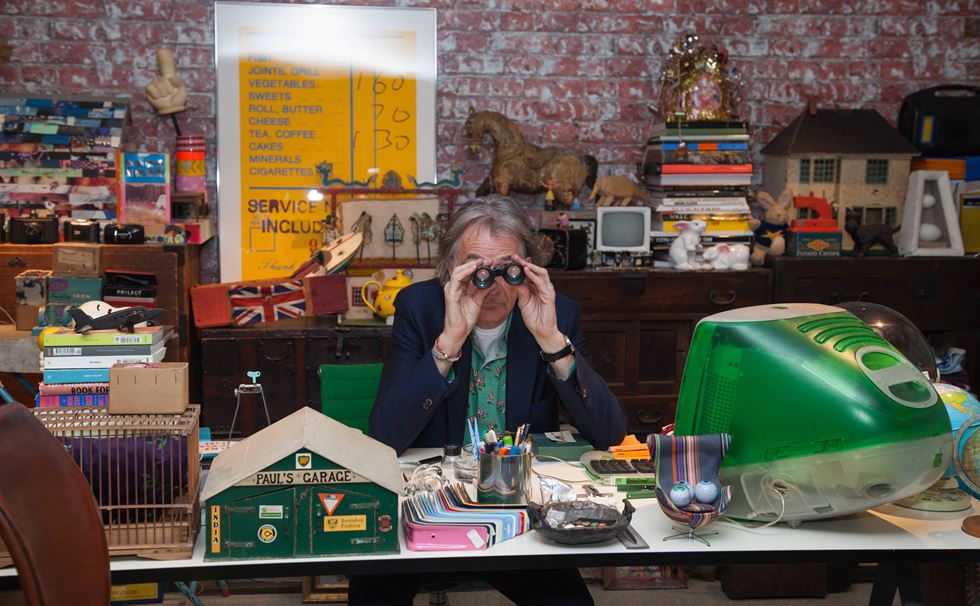
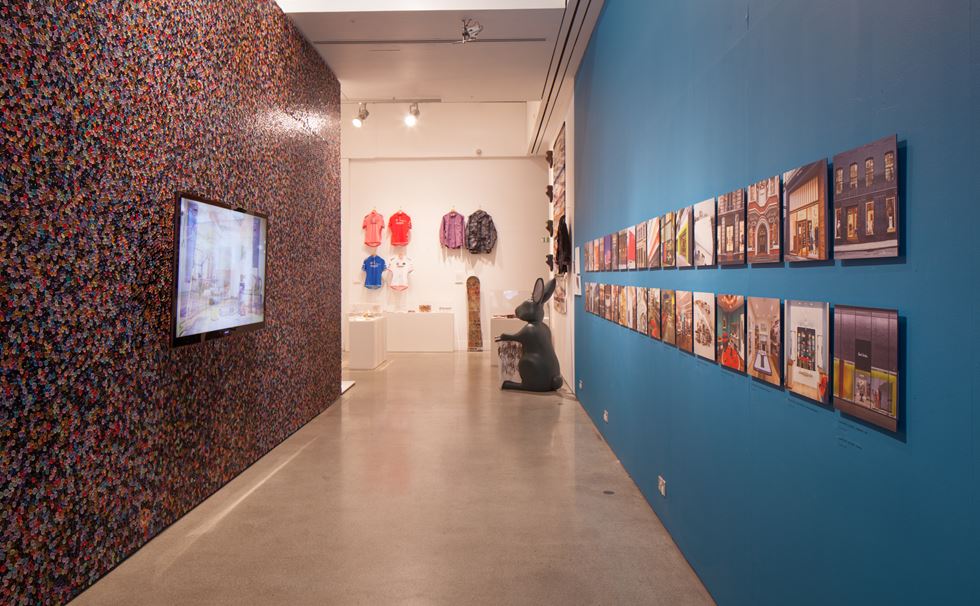
Smith has since stuck to the same formula, for both his collections and shops, as his wholesale business has expanded and he has opened more shops in Asia, the US and Europe while diversifying into everything from womenswear and watches to perfume. The shops are still filled with first-edition books like Cecil Beaton's autobiographies, 1960s posters and quirky Japanese flea market finds: and their windows are as likely to display Apple's new computer or the latest video games system as Paul Smith clothes.
‘The reason I've been successful is because I've just got on and packed boxes and I know that VAT means Value Added Tax not vodka and tonic,’ Paul Smith wrote in his book, You Can Find Inspiration in Everything. ‘I've sold on the shop floor, I've typed invoices. At some point I've done everything, and I've always kept my head above water financially. Nevertheless I'm extremely nervous about becoming a businessman and not a designer.’
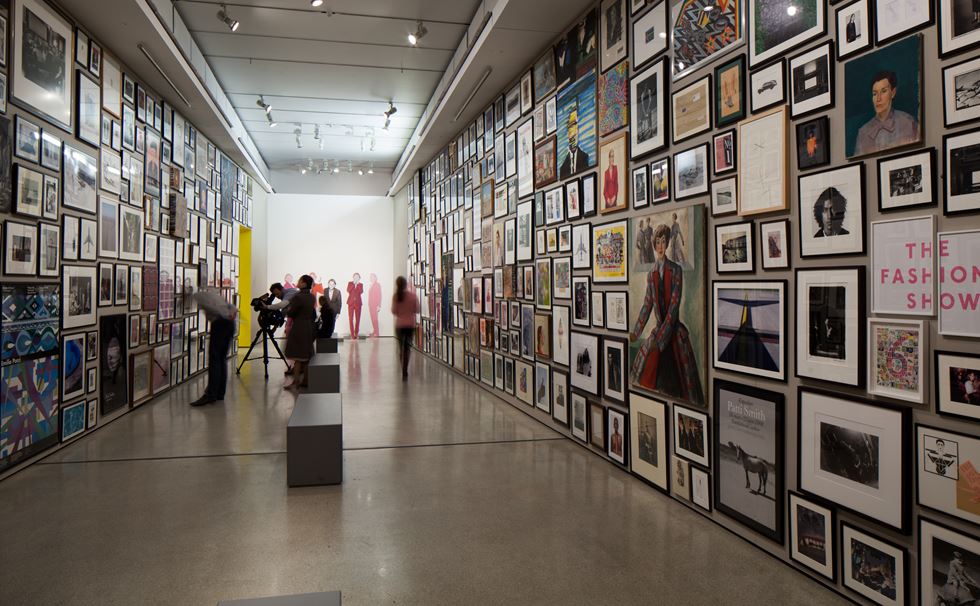
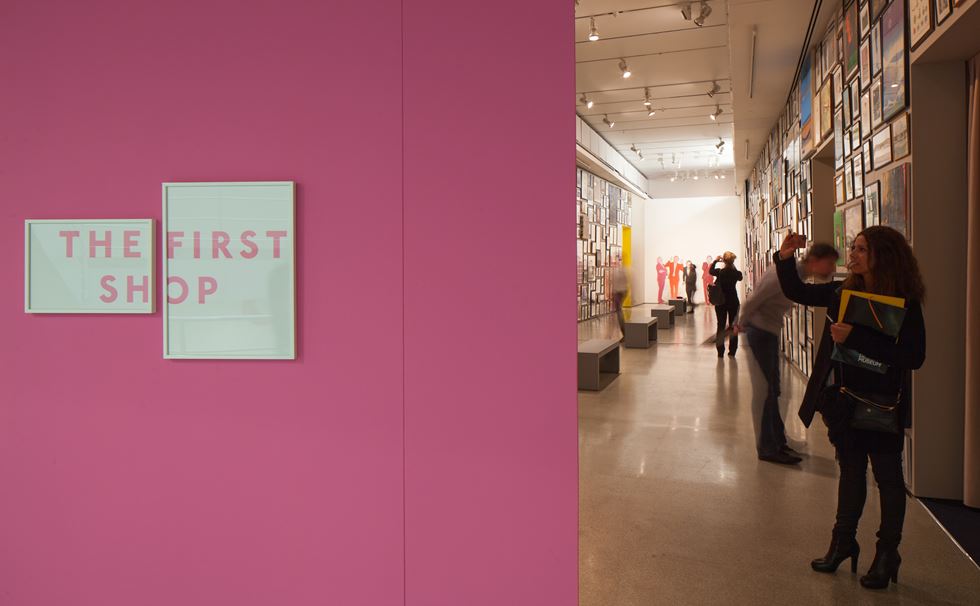
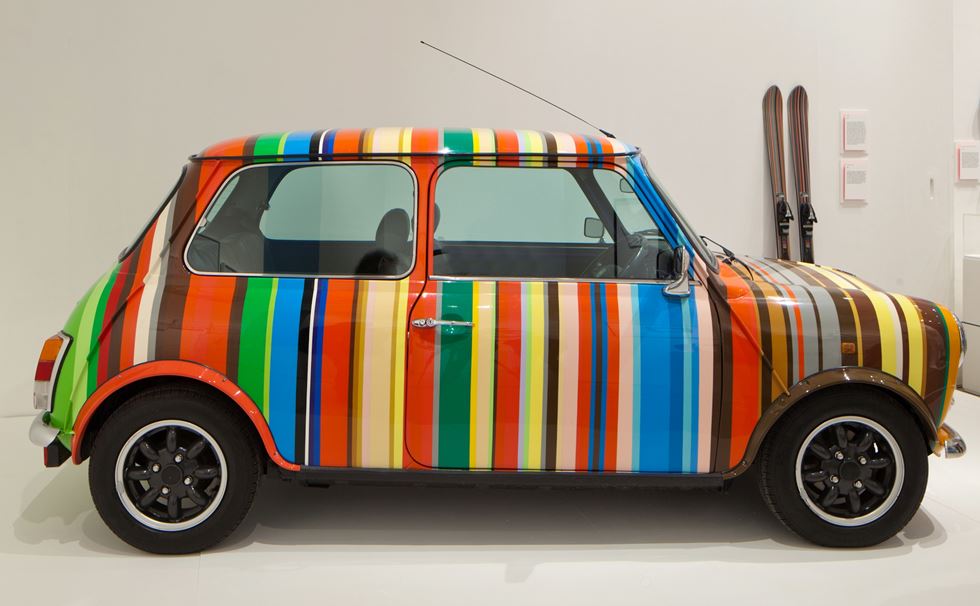
Design Museum exhibition (2013)
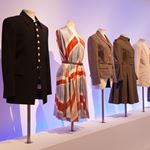
Hello, My Name is Paul Smith
Image credit: Luke Hayes








See the touring exhibition
From his company’s modest beginnings in Nottingham to its international prominence today, this exhibition reveals how Paul Smith’s intuitive take on design, together with an understanding of the roles of designer and retailer, have laid the foundations for lasting success and offers a unique insight into the magnificent mind of Paul Smith.